Source 2019 2024 audi a5 bumper grille for A4 A6 C7 Repair
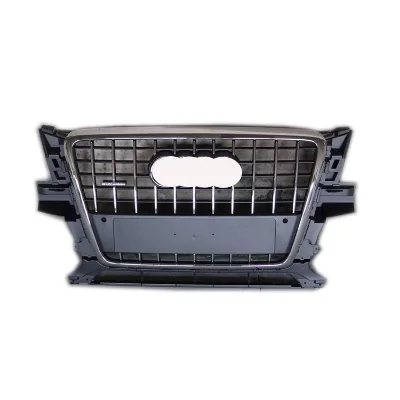
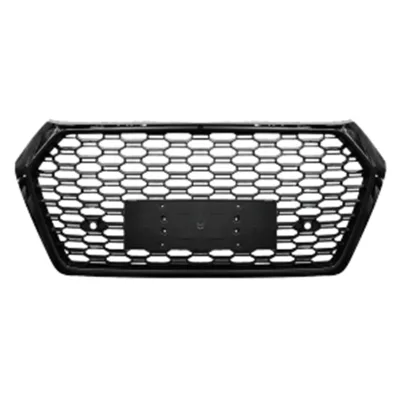
Find 30 listings for the 2019 2024 audi a5 bumper grille with options for Audi A4 and A6 C7 models. Buyers can compare materials like ABS, certifications, and installation methods from verified manufacturers.
Key considerations
Products List
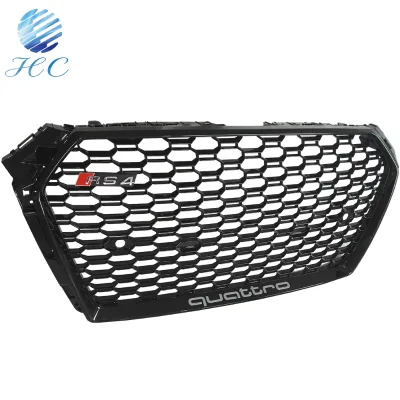


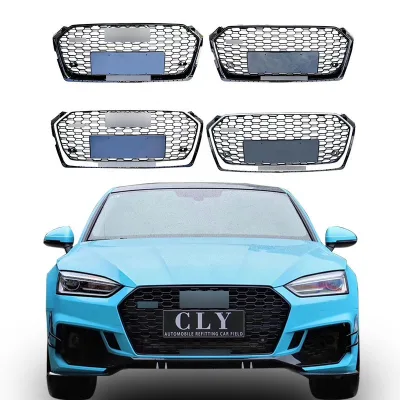
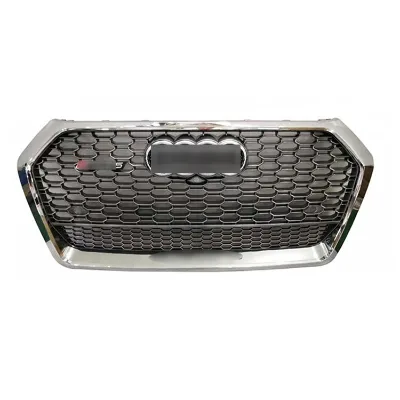
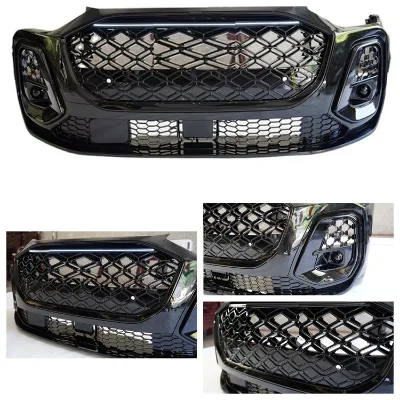


Comprehensive Sourcing Guide
Strategic Sourcing Guide for 2019-2024 Audi A5 Bumper Grilles
Procuring replacement body parts for modern luxury vehicles requires a meticulous approach that balances aesthetic fidelity with structural integrity. When sourcing a bumper grille specifically for the 2019-2024 Audi A5, buyers must navigate a complex landscape of OEM specifications, material standards, and supplier capabilities. The market for these components is driven by the need for precise fitment, durability against environmental factors, and adherence to automotive safety standards. This guide provides a structured framework for evaluating potential suppliers and products, ensuring that procurement decisions are grounded in verified data rather than marketing assertions.
Technical Specifications and Material Composition
The foundation of a successful procurement strategy lies in a deep understanding of the technical specifications required for the specific vehicle model. For the Audi A5, the grille is not merely a cosmetic element but a critical component of the vehicle's aerodynamics and cooling system. When analyzing product listings, buyers should prioritize materials that offer a balance of rigidity and impact resistance.
Based on available industry data for similar automotive body parts, high-quality grilles are frequently manufactured using ABS (Acrylonitrile Butadiene Styrene) plastic. This material is preferred for its ability to withstand temperature fluctuations and UV exposure without degrading. Some suppliers may specify the use of specific grades of ABS, such as Tairilac or Chimei 120, which are known for their high impact strength and surface finish. It is essential to verify that the raw material source is new and virgin, as recycled materials can compromise the structural integrity and aesthetic quality of the final product.
The physical dimensions of the grille must align precisely with the vehicle's chassis. For the Audi A5, the grille design is specific to the model year and body style. Buyers should look for specifications that indicate a "Normal" size or specific model numbers that correspond to the 2019-2024 generation. While some listings may reference older models like the A6 C7 or A4, the fitment for the A5 is distinct. The OE (Original Equipment) number is a crucial identifier; for example, specific grille assemblies may carry part numbers such as 8T0853651 or similar variations. Procurement teams must cross-reference these numbers with the vehicle's VIN to ensure compatibility.
| Specification Category | Critical Attributes to Verify |
|---|---|
| Material Grade | Virgin ABS (e.g., Tairilac, Chimei 120), no recycled content. |
| Fitment Model | Specific to Audi A5 (2019-2024), not generic or cross-compatible with A4/A6. |
| Dimensions | Standardized packaging size (e.g., 126825cm) indicating precise molding. |
| Color Finish | Matte or Gloss Black, matching factory specifications for the target year. |
| Installation Method | Direct fitment with 3M tape or standard mounting points; no modification required. |
Compliance and Certification Verification
In the B2B automotive aftermarket, compliance with international standards is non-negotiable. Buyers must verify that suppliers possess valid certifications that attest to their quality management systems. The most common certifications observed in the industry for automotive parts manufacturers include ISO (International Organization for Standardization) and CE (Conformité Européenne). These certifications indicate that the manufacturing facility adheres to specific quality control protocols and safety standards.
When evaluating a supplier, it is not sufficient to simply see a certification logo on a product page. Buyers should request documentation proving the validity of these certifications for the specific product line being purchased. The presence of ISO certification suggests a commitment to consistent quality, while CE marking indicates compliance with European health, safety, and environmental protection standards. For parts destined for the European market, these certifications are particularly critical.
Furthermore, the production process itself should be scrutinized. Suppliers claiming to be established factories with a history of over 20 years in the industry often have more robust quality assurance processes. However, the age of the factory does not guarantee the quality of a specific batch. Buyers should inquire about the specific production methods used, such as blow molding, which is a common technique for creating complex plastic automotive parts. The ability to offer customization services, such as OEM design, is also a strong indicator of a supplier's technical capability and flexibility in meeting specific buyer requirements.
Cost Drivers and Pricing Structures
Understanding the cost drivers for automotive grilles is essential for budgeting and negotiation. The price of a bumper grille is influenced by several factors, including the raw material cost, the complexity of the mold, and the scale of production. High-grade virgin ABS is more expensive than recycled alternatives, and this cost is often reflected in the final price. Additionally, the precision required for a perfect fitment on a luxury vehicle like the Audi A5 necessitates high-precision tooling, which adds to the manufacturing cost.
Buyers should be aware of the observed price ranges in the market, which can vary significantly based on the quality of the product. While some listings may appear extremely low, these often indicate lower-quality materials or lack of proper certification. Conversely, prices at the higher end of the spectrum may reflect premium materials, rigorous testing, and comprehensive packaging. The Minimum Order Quantity (MOQ) is another significant cost driver. Suppliers may set MOQs ranging from 30 pieces to 50 pieces or higher. For smaller buyers, meeting a high MOQ can tie up capital, while larger buyers may negotiate better unit prices by ordering in bulk.
The supply ability of the manufacturer also impacts pricing. A supplier with a monthly capacity of 100,000 pieces can likely offer more competitive pricing due to economies of scale. However, buyers must ensure that the supplier can meet their specific delivery timelines without compromising quality. Rush orders or custom designs may incur additional costs, which should be factored into the total cost of ownership.
Typical Applications and Fitment Considerations
The primary application for the 2019-2024 Audi A5 bumper grille is replacement and repair. These parts are designed to restore the vehicle's original appearance and functionality after damage from minor collisions, road debris, or wear and tear. The grille must be compatible with the vehicle's front-end structure, ensuring that it does not interfere with sensors, cameras, or cooling systems.
Fitment is the most critical aspect of the application. A grille that does not fit perfectly can lead to gaps, rattling, or even detachment while driving. Buyers should look for products that explicitly state "100% Fitment" or "Direct Fit." The installation process should be straightforward, often utilizing existing mounting points or 3M tape for direct application. This reduces labor costs and the risk of installation errors.
It is important to note that while some suppliers may list grilles for multiple models, such as the A4 or A6, the fitment for the A5 is unique. Buyers must ensure that the product is specifically designed for the A5 to avoid compatibility issues. The condition of the product should always be "New," as used or refurbished parts may have hidden defects or reduced lifespan. The packaging should also be considered; standard carton boxes or neutral packing are common, but the packaging must be robust enough to prevent damage during shipping.
Supplier Evaluation and Manufacturing Capabilities
Evaluating a supplier requires a holistic view of their capabilities, location, and reputation. The place of origin is a key factor, with major manufacturing hubs in China, such as Jiangsu and Guangdong, being common sources for automotive parts. These regions have established supply chains and a high concentration of specialized manufacturers. However, the location alone does not determine quality; the specific factory's track record is more important.
Buyers should assess the supplier's production capacity and lead times. A supplier with a stated delivery time of 5-7 working days indicates a streamlined logistics process, which is crucial for maintaining inventory levels. The shipping method, whether by sea or air, should be aligned with the buyer's urgency and budget. Sea freight is cost-effective for large orders, while air freight is suitable for urgent, smaller shipments.
Customization is another vital capability. Suppliers that offer custom-designed services can tailor products to specific buyer requirements, such as unique colors or branding. This flexibility is particularly valuable for aftermarket retailers or specialized repair shops. The brand name associated with the product, whether it is a well-known manufacturer or a private label, should be verified. Some suppliers may use multiple brand names, so buyers should ensure consistency in quality across different product lines.
Quality Control and Long-Term Procurement
Quality control is the backbone of a reliable supply chain. Buyers should implement rigorous inspection protocols to ensure that every batch of grilles meets the required standards. This includes visual inspections for surface defects, dimensional checks for fitment, and material testing for durability. The use of high-quality raw materials, such as virgin ABS, is a prerequisite for long-term performance.
Long-term procurement considerations involve building a sustainable relationship with suppliers. This includes negotiating favorable terms for repeat orders, establishing clear communication channels, and setting expectations for quality and delivery. Buyers should also consider the supplier's ability to scale production as their business grows. A supplier with a high supply ability, such as 100,000 pieces per month, is better positioned to handle increased demand without compromising on quality or delivery times.
Finally, buyers should monitor market trends and technological advancements in automotive parts manufacturing. The industry is constantly evolving, with new materials and production techniques emerging. Staying informed about these developments can help buyers make more informed decisions and maintain a competitive edge in the market. By focusing on technical specifications, compliance, cost drivers, and supplier capabilities, buyers can secure a reliable supply of high-quality bumper grilles for the 2019-2024 Audi A5.
FAQs
What material is used for the 2019 2024 audi a5 bumper grille?
The grille is constructed from high-grade virgin ABS plastic, specifically Tairilac or Chimei 120. This material ensures durability and resistance to temperature fluctuations while maintaining a premium finish for the vehicle.
Which certifications do the manufacturers hold for these parts?
Manufacturers typically hold ISO and CE certifications to verify quality management and safety standards. These credentials ensure the production process meets international requirements for automotive body parts and structural integrity.
How long is the delivery time for bulk orders of this grille?
The standard delivery time is 5 to 7 working days after order confirmation. This rapid turnaround supports efficient inventory replenishment for buyers requiring quick replacement parts for Audi models.
Can suppliers offer customization services for the grille design?
Yes, suppliers provide custom designed services to meet specific buyer requirements. This flexibility allows for tailored solutions regarding branding or specific design modifications while maintaining the original fitment standards.
What is the minimum order quantity for purchasing these grilles?
The minimum order quantity is typically 30 pieces per order. This threshold allows small to medium buyers to source stock without committing to excessively large initial inventory volumes.
Where are the factories producing these grilles located?
Production facilities are located in Jiangsu and Guangdong provinces in China. These regions are established manufacturing hubs known for their specialized automotive parts supply chains and efficient logistics.